Rybelsus for weight loss in the UK: what men need to know
Rybelsus is not licensed for weight loss in the UK. It is a semaglutide tablet for type 2 diabetes, and using it to lose weight is off-label. Since 11 June 2026 there has been a separate semaglutide tablet that is approved for weight management. If you are searching for a tablet to help with weight, that is the one to ask about, and a regulated prescriber is the person to ask.
This guide explains the difference, why the distinction matters, what the rules say, and what you can do now, whether or not medication ends up being right for you.
TL;DR
- Rybelsus is licensed in the UK for adults with type 2 diabetes, alongside diet and exercise. It is not licensed for weight loss.
- A different semaglutide tablet, sold as Wegovy, was approved by the MHRA for weight management on 11 June 2026. Do not mix the two up.
- UK health authorities discourage off-label use of diabetes GLP-1 medicines for weight loss to protect supply for people with diabetes.
- Any tablet works best alongside food, movement and support you can actually keep up.
Table of Contents
- What Rybelsus is, and what it is licensed for
- Why you may see it offered for weight loss anyway
- The supply problem behind the advice
- The new weight-loss tablet: not the same as Rybelsus
- NHS or private: who can get what
- Questions to take to your prescriber
- Perspective: what we see with men and tablets
- Building the habits that make any treatment work
- How SHIFT can help
- FAQ
- Sources
What Rybelsus is, and what it is licensed for
Rybelsus contains semaglutide, the same active ingredient found in Ozempic and Wegovy. The NHS page on semaglutide lists Wegovy as the brand used for obesity and Ozempic and Rybelsus as the brands used to manage type 2 diabetes. It is only available with a prescription, either NHS or private.
The official product information is specific. The Rybelsus summary of product characteristics says it is indicated for adults with insufficiently controlled type 2 diabetes, as an adjunct to diet and exercise. Weight loss is not a licensed use.
People search for Rybelsus and weight loss because semaglutide does reduce appetite, and weight loss is a known effect of the drug family. But a known side benefit in people with diabetes is not the same as a licence, a dose schedule or safety data built for weight management.
Why you may see it offered for weight loss anyway
Some online sellers list Rybelsus and describe it as prescribed off-label. Off-label means a prescriber uses a licensed medicine for something outside its licence. That is legal in the UK when a prescriber judges it appropriate. It is not the same as the medicine being approved for that purpose.
Three things are worth knowing before you go down that route:
- You need a genuine prescription. Rybelsus is prescription-only. Anyone offering it without a proper clinical assessment is a red flag.
- The official advice points elsewhere. The government's GLP-1 guidance separates medicines for diabetes from those for weight loss, and stresses that people with diabetes need their supply.
- Licensed weight-loss options now exist. There is no need to improvise with a diabetes product when medicines designed and approved for weight management are available.
The supply problem behind the advice
GLP-1 medicines have been in short supply since 2023. National alerts have asked prescribers to protect stock for people with type 2 diabetes, who can face real harm if they cannot get their treatment. A man who takes Rybelsus for weight loss is, in effect, competing for tablets with someone who needs them to control blood sugar.
That is the main reason the guidance is strong. It is not a judgement on anyone who wants to lose weight. It is about making sure the right medicine goes to the right person.
The new weight-loss tablet: not the same as Rybelsus
On 11 June 2026 the MHRA approved a semaglutide tablet for weight loss and weight management. It is sold under the Wegovy name, and it is a different product from Rybelsus with its own dose steps.
What the announcement says:
- It is for adults with a BMI of 30 or above, or 27 or above with a weight-related health condition, alongside diet and more physical activity.
- The dose starts at 1.5 mg a day and steps up through 4 mg and 9 mg to 25 mg.
- People on the 2.4 mg Wegovy injection can transition to the 25 mg tablet.
- It is not currently available on the NHS.
Moving between an injection and a tablet, or between any two semaglutide products, is a clinical decision. The doses are not interchangeable by guesswork. If you want a detailed look at what the tablet trial results mean, our guide to oral semaglutide for weight loss in the UK goes through it.
How tablets differ from injections in daily life
The tablet route sounds simpler, but it comes with rules. For oral semaglutide, the product information sets out how to take it. Take it on an empty stomach, swallow it whole with a small amount of water (up to 120 ml), then wait at least 30 minutes before eating, drinking or taking other medicines. Get this wrong and less of the drug is absorbed.
That suits some men well. If your mornings are chaotic, with kids, school runs and an early start, a strict routine can be hard to keep. Be honest with yourself and your prescriber about which format you will really stick to. A weekly injection suits some men better for exactly that reason.
NHS or private: who can get what
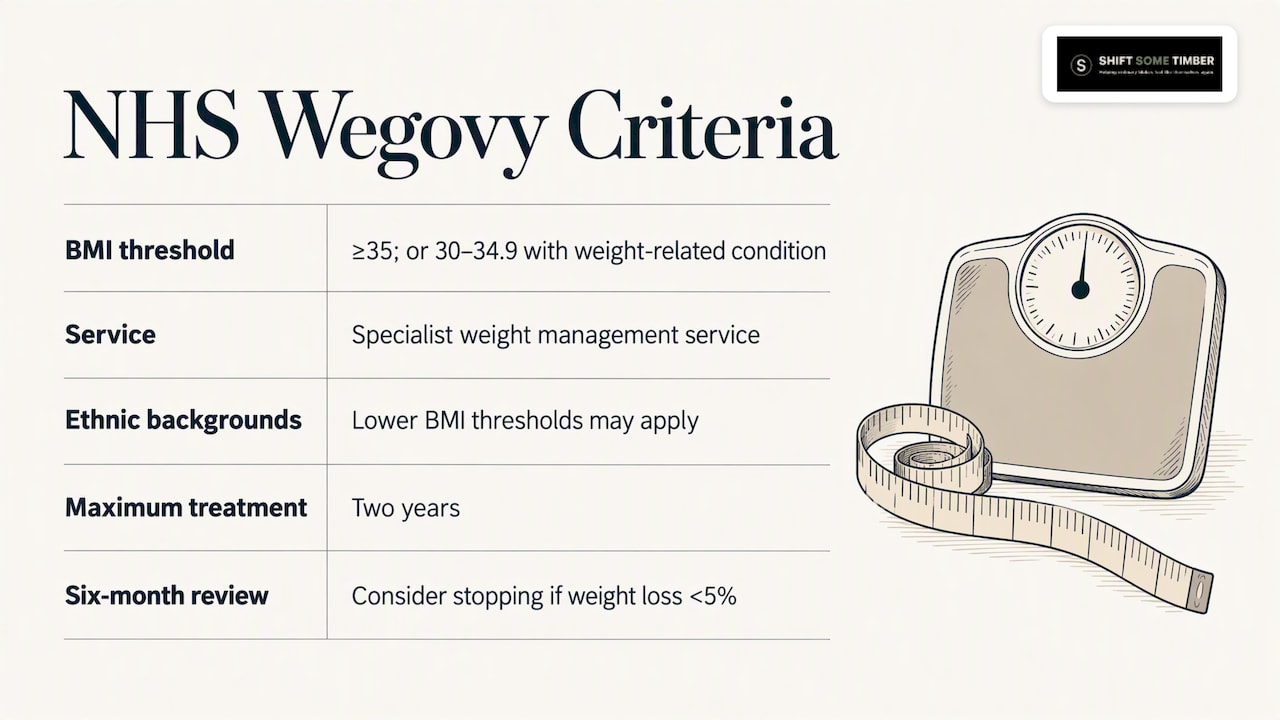
On the NHS, the route is narrower. NICE guidance TA875 recommends Wegovy injection only for adults with a BMI of at least 35, or 30 to 34.9 with a weight-related health condition, and only within a specialist weight management service. Lower BMI thresholds apply for some ethnic backgrounds. Treatment is recommended for a maximum of two years, and stopping should be considered if you have lost less than 5% of your weight after six months.
If you want the detail, see our piece on Wegovy eligibility for UK men.
Private care follows the licence of each product and the prescriber's judgement. A reputable provider will check your medical history, confirm your measurements and tell you plainly when a medicine is not suitable. Prescribing and dispensing should be done by regulated professionals and pharmacies, not by a website that simply takes an order.
A quick comparison
| Rybelsus | Wegovy tablet | Wegovy injection | |
|---|---|---|---|
| Licensed use in the UK | Type 2 diabetes | Weight management | Weight management |
| Form | Daily tablet | Daily tablet | Weekly injection |
| Weight loss use | Off-label | Licensed | Licensed |
| NHS weight-loss route | No | Not currently | Yes, under NICE criteria |
The Wegovy tablet and injection rows follow the MHRA announcement and NICE TA875. The Rybelsus row follows its product information.
Questions to take to your prescriber
Whether you are thinking about a tablet or an injection, go in prepared. Useful questions:
- Which medicine is licensed for weight management for someone with my BMI and health history?
- If you suggest an off-label option, why, and what are the alternatives?
- How should I take it, and what happens if I miss a dose or forget the fasting rules?
- What side effects should I expect, and when should I contact you?
- What is the plan if I stop or if my weight plateaus?
Our list of questions for your prescriber about GLP-1 medicines goes further, and the GLP-1 dosing guide explains why slow steps up matter for side effects.
Perspective: what we see with men and tablets
We set up SHIFT because ordinary men told us the same thing: the medicine is only one part, and nobody explained the rest. When a man asks about Rybelsus for weight loss, he is usually really asking, "Is there a simple tablet that will sort this?"
Our honest answer is that medication can help a lot, but it is a tool, not a plan. Rybelsus is the wrong tool for this job on paper. The licensed route is clearer and safer to follow, and it keeps diabetes patients supplied.
We also see what happens around the medicine. Appetite drops, so the question becomes what to eat when you are barely hungry. Weight comes off, so muscle needs protecting with some strength work. Then there is the day treatment ends. Men who have built habits, such as simple meals, regular movement and check-ins, find that part far easier. That is why The Programme sits alongside treatment information, and why we welcome men before, during and after treatment, including those who started elsewhere.
The UK guidance and the experts we follow say the same: medicines work as an adjunct to lifestyle change, not a substitute. We would rather tell you that plainly than sell you a quick fix.
— Matt O’Brien
Building the habits that make any treatment work
The NHS semaglutide page and the government guidance both frame these medicines alongside diet and activity. In practice, that means a few things you can start before any prescription.
Food
Aim for regular meals with protein in each, and keep a small number of go-to dinners you can cook on a tired weeknight. If medication cuts your appetite, small portions of proper food beat skipping meals. Our Grub resources are built around this kind of practical cooking.
Movement
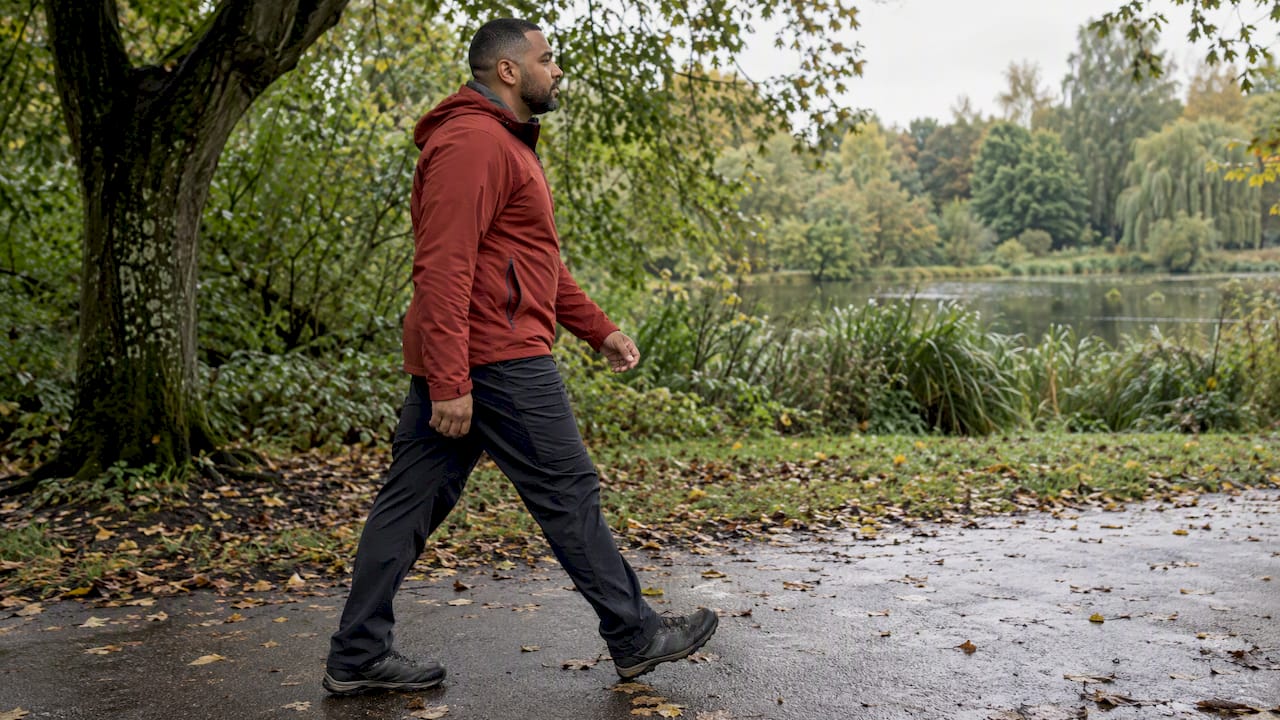
Start with what you will really do: a daily walk, two short strength sessions a week. Strength work matters more once weight starts dropping. Read our guide to GLP-1 and exercise for safe ways to start.
Supplements and basics
Some men ask whether vitamins can fill gaps when eating less. A balanced diet comes first, and you should check with your prescriber or pharmacist before adding anything alongside a medicine. If you are exploring supplements for metabolic support, treat them as a small extra on top of food, sleep and movement, not a replacement for any of them.
Tracking and plateaus
Progress is not a straight line. Four flat weeks do not mean failure, and our guide to the GLP-1 weight loss plateau explains what to check. Energy, sleep, clothes and confidence count as progress too.
How SHIFT can help
If you are weighing up treatment, or already on it and want support that fits around work and family, we can help you plan the next step. The Shift Programme brings food ideas, achievable movement, personal goals and check-ins together in one place. If you want to see how getting started works, start with weight loss for men in the UK. Clinical assessment, prescribing and dispensing are handled by appropriately regulated partners, and you are welcome whether you want medication or not.
FAQ
Is Rybelsus licensed for weight loss in the UK?
No. In the UK, Rybelsus is licensed for adults with type 2 diabetes, alongside diet and exercise. Using it for weight loss is off-label, and UK guidance discourages that to protect supply for people with diabetes.
Is there a semaglutide tablet for weight loss in the UK?
Yes. The MHRA approved a semaglutide tablet for weight management on 11 June 2026, sold as Wegovy. It is separate from Rybelsus and is for adults who meet the BMI criteria. It is not currently available on the NHS.
Which weight loss drug does the NHS use?
NICE recommends Wegovy injection for adults who meet its BMI and comorbidity criteria, within a specialist weight management service, for up to two years. The tablet is not currently on the NHS.
Can I switch between Rybelsus and a weight-loss semaglutide product myself?
No. The products and doses are not interchangeable without clinical guidance. Switching is a decision for your prescriber, who will choose the right product and starting dose for you.
Sources
- Rybelsus 14 mg summary of product characteristics (emc)
- First GLP-1 tablet for weight loss approved in the UK (GOV.UK)
- GLP-1 medicines for weight loss and diabetes: what you need to know (GOV.UK)
- Semaglutide (NHS)
- NICE guidance TA875
Recommended
- Weight-Loss Tablets for Men UK | Daily Pill Options
- Weight Loss Medication Eligibility in the UK: Who Qualifies
- Oral semaglutide for weight loss in the UK: what 13.6% means
- Weight-Loss Injections for Men UK | Mounjaro & Wegovy
Last updated .